
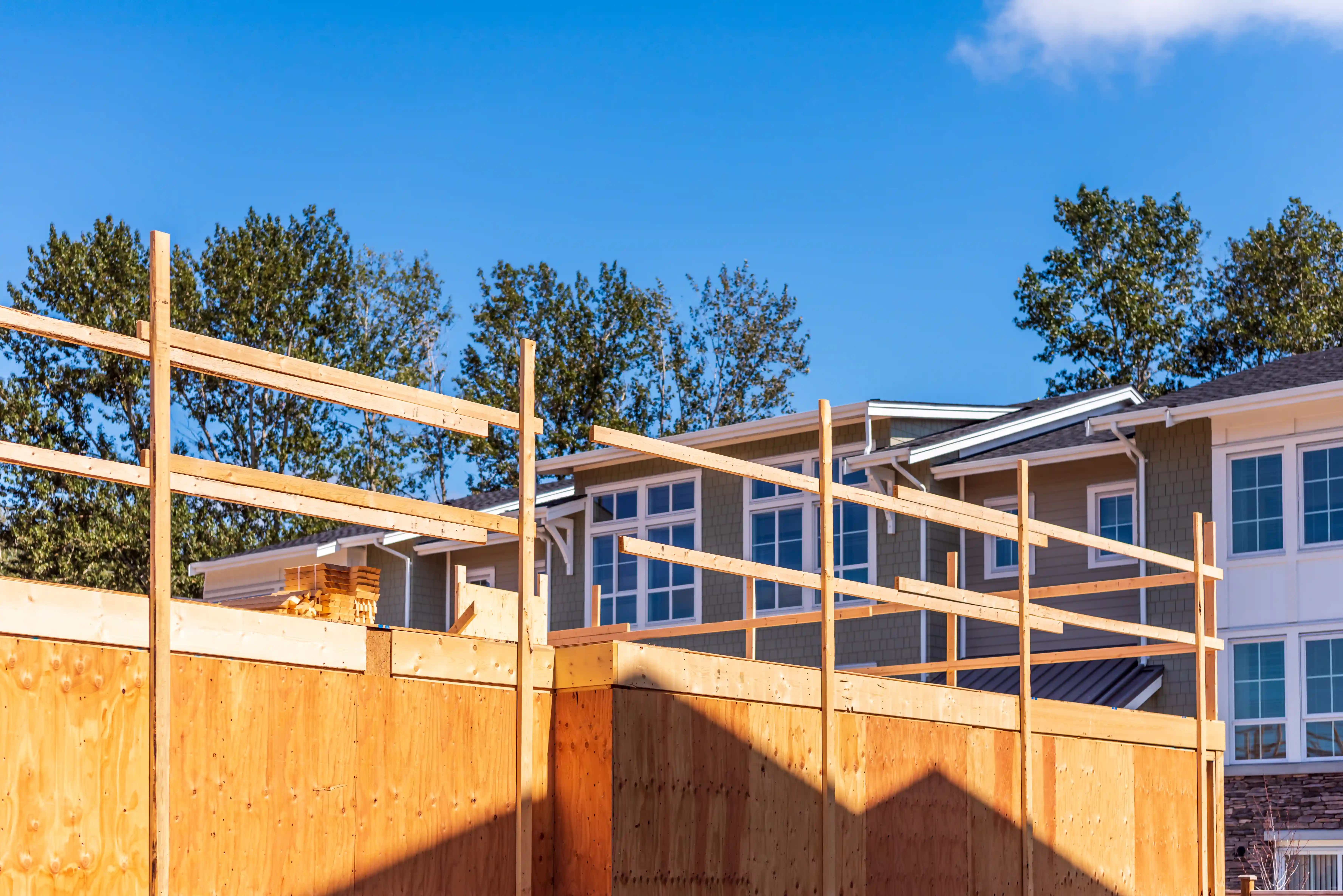
A second story addition in New Jersey involves more than just framing. The total project cost includes architectural and engineering plans, permits, structural framing, roofing, insulation, MEP rough-ins, drywall, windows, and all finish work. Depending on the scope, the total investment can vary significantly, which is why getting an accurate, project-specific estimate is essential before making any decisions. What is worth noting is that the framing phase -- the structural shell of the new level -- is the foundation everything else is built on. It is not the place to reduce costs by cutting corners. A correctly framed second story addition that integrates cleanly with the existing structure protects the value of every dollar spent on the finish work that follows and ensures the addition performs structurally for the life of the home.
What Does Moving Actually Cost in the New Jersey Market?
Moving to a larger home in New Jersey is not just the cost of the new property. It includes real estate agent commissions on the sale of your current home, closing costs on both the sale and the purchase, moving expenses, any updates needed in the new property, and the difference in property taxes if you are moving to a higher-assessed location. If you are in a desirable neighborhood and your current home has equity, you may also be giving up a location advantage that is difficult to replicate at the same price point in the current New Jersey market. For many homeowners, when the full cost of moving is calculated honestly including all transaction costs, a second story addition becomes a more compelling financial alternative than it initially appears.
When a Second Story Addition Is the Right Choice in New Jersey
A second story addition makes the most sense when you value your current neighborhood, your lot does not have space to expand horizontally, your existing foundation and first-floor framing can support the addition structurally, and you have a clear scope of what the new level needs to include. It also makes sense when the cost of the addition added to your current home value produces a result that is still below comparable larger homes in your area -- meaning you are building equity efficiently rather than overpaying. Frank General Contractor begins every second story addition in New Jersey with a structural assessment of the existing first floor to confirm it can carry the load before any framing commitments are made.
When Moving Is the Right Choice -- and How to Know the Difference
There are situations where moving is the more logical decision. If your current foundation or first-floor framing cannot support a second story without significant reinforcement, the structural correction costs can shift the financial comparison considerably. If your neighborhood has limited appreciation potential and adding a second story would push your total property value above the ceiling for the area, you may not recover the investment on a future sale. And if your space needs go beyond what a second story can address -- for example, you need a larger lot, a different school district, or a property type that simply does not exist in your current area -- then moving addresses things a structural addition cannot. The honest answer is that the right choice depends on your specific property, financial situation, and long-term plans.